


Bathroom Renovation Timeline: What Homeowners in Vancouver Should Know Before Starting
One of the most common questions homeowners in Vancouver and surrounding areas such as Burnaby, Richmond, Surrey, Coquitlam, and North Vancouver ask before beginning a renovation is how long the process will actually take. While it may seem like a simple question, the timeline of a bathroom renovation depends on several factors that work together throughout the project. Understanding how the process unfolds helps homeowners plan their routines, reduce uncertainty, and approach renovation with realistic expectations.
A bathroom renovation is not a continuous sequence of daily activity. Instead, it progresses through defined stages where active work alternates with necessary waiting periods. Drying times, inspections, material deliveries, and coordination between trades all influence how quickly each phase moves forward. Recognizing this rhythm early helps prevent frustration and allows homeowners to better understand why progress sometimes appears faster in certain stages and slower in others.
Understanding What a Bathroom Renovation Timeline Includes
A renovation timeline should be viewed as a practical framework rather than a fixed schedule. Every project is influenced by design choices, material availability, and the existing condition of the space. Two bathrooms with similar layouts can follow the same general sequence while still requiring different amounts of time to complete.
The purpose of understanding the timeline is not to predict an exact completion date, but to understand how decisions and preparation affect progress. When expectations align with the reality of construction, the renovation experience becomes far more manageable and predictable.
Key Factors That Influence Renovation Duration
Several elements determine how long a bathroom renovation will take in real-world conditions. The scope of work is usually the most important factor. A cosmetic update that focuses on replacing finishes or fixtures moves very differently from a full renovation involving plumbing adjustments, layout changes, or structural improvements.
Property type also plays a role. Condominium renovations in Vancouver often involve building regulations, limited working hours, and approval processes that can extend timelines. Detached homes typically allow more flexibility but may reveal hidden issues once demolition begins, such as outdated plumbing or moisture damage that requires correction before work can continue.
Material selection is another major influence. Specialty tiles, custom vanities, or imported fixtures can introduce delays if they are not ordered early. Planning ahead ensures materials arrive when needed, preventing interruptions between phases of construction.
The Typical Flow of a Bathroom Renovation Project
Although timelines vary, most bathroom renovations follow a predictable sequence. The process usually begins with planning and preparation, where layouts are finalized and materials are confirmed. This stage is often underestimated, yet it plays a critical role in preventing delays later in the project.
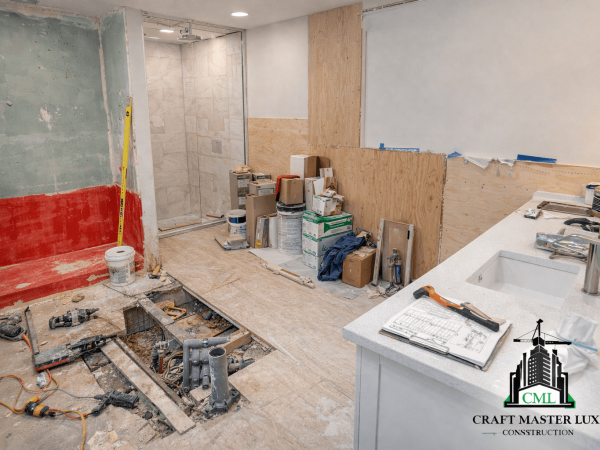
Once preparation is complete, demolition marks the first visible stage of progress. Existing finishes and fixtures are removed, and the space is prepared for new installations. This phase also allows contractors to identify hidden conditions that may affect scheduling.
After demolition, plumbing and electrical work take place behind the walls. These technical stages require precision and sometimes inspections before the project can move forward. While homeowners may not see daily visual changes during this time, this phase forms the foundation of the renovation.
Surface preparation, waterproofing, and tiling follow next. These stages often require curing and drying periods that cannot be rushed without compromising long-term durability. Finally, fixtures, finishes, and accessories are installed, bringing the space together visually and functionally before final inspection and handover.
Active Work Time vs Waiting Time
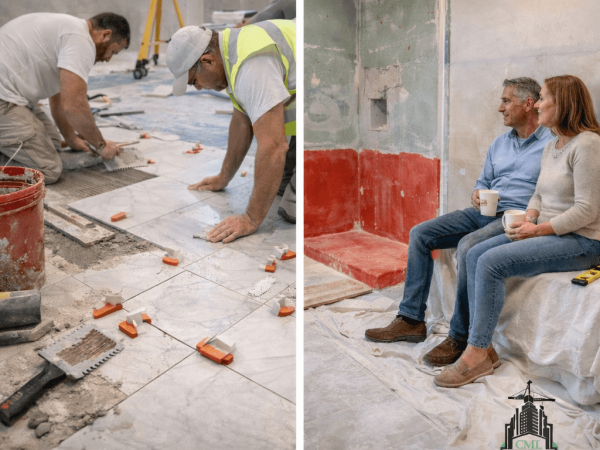
One of the biggest misunderstandings about renovation timelines is the difference between active work and necessary waiting periods. Active work includes demolition, installations, and finishing tasks where trades are physically on site. Waiting time, however, may involve inspections, material delivery, or drying periods for waterproofing and adhesives.
These quieter phases are essential for quality and compliance. When homeowners expect constant daily activity, normal pauses can feel like delays. When they are anticipated, the entire process feels more controlled and organized.
How Homeowners Can Help Keep the Project on Schedule
Homeowners play an important role in maintaining an efficient renovation timeline. Finalizing design decisions early, confirming material selections, and maintaining clear communication with the contractor all help prevent unnecessary interruptions. Changes made after construction begins often affect multiple stages of the project and may require rescheduling trades.
Preparing for temporary disruptions also makes the process smoother. Adjusting daily routines and planning alternative bathroom arrangements reduces stress while work is underway.
Planning for a Successful Bathroom Renovation
A successful bathroom renovation timeline is not defined by speed alone. It is shaped by coordination, preparation, and informed decision-making at every stage. When each phase is allowed the time it requires, the result is a space that performs well and remains durable for years to come.
For homeowners in Vancouver and nearby cities, understanding the renovation process before work begins creates confidence and clarity. Rather than focusing only on completion dates, viewing renovation as a structured journey allows expectations to match reality and helps ensure a smoother experience from demolition to final completion.